Wedding flowers for Forty Hall events Enfield
Posted on 13/10/2026
Planning Wedding flowers for Forty Hall events Enfield is one of those jobs that looks simple at first, then suddenly becomes a whole mood board, budget puzzle, and logistics exercise all at once. Forty Hall has its own character, and that matters. The building, the grounds, the light, the room sizes, the arrival timings, even the weather on the day can all shape how your flowers should look and work.
If you are getting married there, or helping someone who is, this guide walks through what actually works in practice: how to choose flowers that suit the venue, how to avoid the usual mistakes, what to think about for delivery and set-up, and which arrangements usually make the biggest visual difference. We will keep it practical, local, and honest. No fluff. Just the useful stuff that saves stress later.
And yes, the right flowers can absolutely change the feel of a room. A good arrangement does not shout. It just quietly makes everything feel finished, warm, and a bit more special. That is the magic, really.
- Why Wedding flowers for Forty Hall events Enfield matters
- How it works in practice
- Key benefits and practical advantages
- Who this is for and when it makes sense
- Step-by-step guidance
- Expert tips for better results
- Common mistakes to avoid
- Tools, resources and recommendations
- Law, compliance, standards, or best practice
- Options, methods, or comparison table
- Case study or real-world example
- Practical checklist
- Conclusion
- Frequently asked questions
Why Wedding flowers for Forty Hall events Enfield Matters
Forty Hall is not a blank canvas. That is exactly why it is so lovely, and also why the flower plan needs a bit of thought. Some venues can handle almost anything. Forty Hall, by contrast, rewards arrangements that respect the architecture, the historic setting, and the atmosphere of the day.
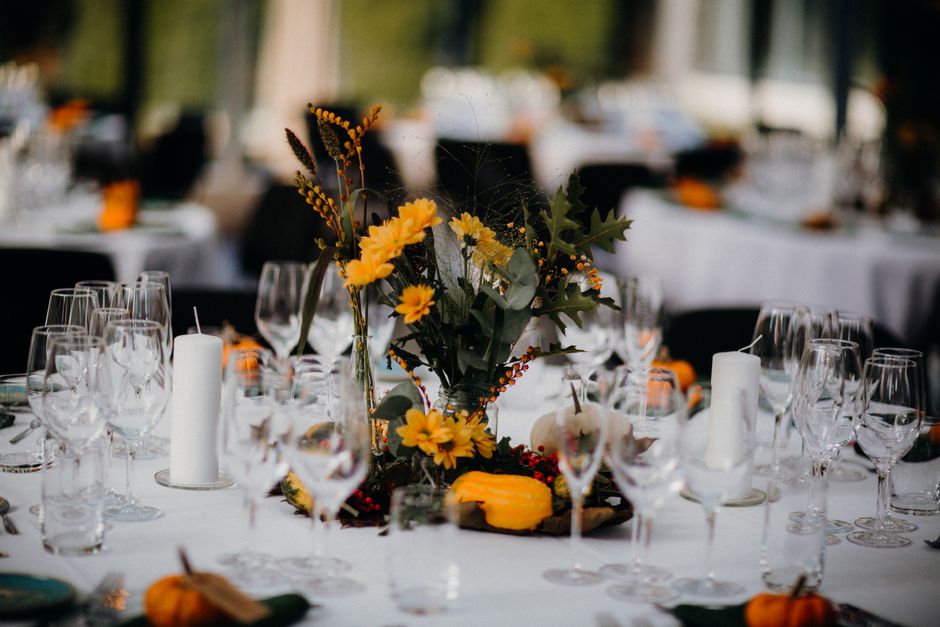
Wedding flowers do more than decorate. They shape how the ceremony photographs, how the tables feel in the evening, and how guests experience the space from the moment they arrive. At a venue like Forty Hall, flowers can soften formal surroundings, echo the season, and bring the couple's style into the room without fighting the venue itself.
For local couples, the practical side matters too. Enfield traffic, timing around venue access, and the simple reality of keeping flowers fresh during transport all affect the end result. You may have the prettiest bouquet in the world, but if it arrives too early, too hot, or poorly packed, it will not look its best. Bit of a shame, that.
That is why a thoughtful approach to wedding floristry at Forty Hall is worth it. It is not just about choosing roses and ribbon. It is about making sure the flowers fit the venue, the timings, the season, and the rest of the wedding plan.
As a rule, the best results come from treating flowers as part of the whole guest experience rather than a separate add-on. Once you think that way, the decisions become a lot clearer.
How Wedding flowers for Forty Hall events Enfield Works
The process usually starts with the venue and the date. From there, the florist works out the style, the scale, and the practical delivery details. For Forty Hall, that often means thinking about the ceremony space, the reception layout, the colour of the room, natural light, and how much floral volume is actually needed to create impact.
In practice, a wedding flower plan usually includes some mix of these elements:
- bridal bouquet
- bridesmaid bouquets
- buttonholes and corsages
- ceremony flowers such as aisle pieces or entrance arrangements
- table centrepieces
- top table or registrar table flowers
- optional flowers for cake, signage, or photo areas
The florist will usually ask about your dress, suit colours, ceremony timing, season, and preferred flowers. That is not overkill. It helps avoid a mismatch between the flowers and the rest of the day. A winter wedding at Forty Hall, for example, may call for richer textures and deeper tones, while a spring celebration may feel better with softer stems and lighter movement.
If you are browsing ideas before booking, it helps to look at wedding-focused ranges such as wedding flowers and event collections, bridal bouquets, and table arrangements. Those product types give a clearer picture of the sort of pieces that can be built into a venue-wide floral plan.
Delivery and installation are the bit people underestimate. A bouquet is one thing; a venue-wide setup needs timing, vehicle space, careful handling, and enough buffer so the arrangements can be placed calmly rather than rushed. If you have ever seen someone arrive with flowers five minutes before guests do, well, you know. Not ideal.
Key Benefits and Practical Advantages
Good wedding flowers do more than look pretty in photos. They solve problems, create cohesion, and make the venue feel personal. Here are the main advantages of getting them right for Forty Hall.
- They suit the venue: A well-chosen design complements Forty Hall's character instead of competing with it.
- They improve photographs: Bouquets, buttonholes, and centrepieces create colour balance and depth in pictures.
- They help with theme consistency: Flowers can tie together outfits, table styling, and ceremony decor.
- They create atmosphere quickly: Even a few carefully placed arrangements can transform a room.
- They give you flexibility: Flowers can be designed to suit both formal and relaxed wedding styles.
There is also a quieter benefit that couples often mention after the day: flowers can make the event feel more like their event. Not just a wedding. Their wedding. That small difference matters.
Practical advantages matter too. If your arrangements are planned properly, you reduce waste, avoid last-minute substitutions, and make the most of your budget. Sometimes a smaller number of stronger arrangements is better than lots of tiny pieces that never quite land visually. Truth be told, that is one of the most common lessons couples learn once they see the room.
For couples looking for a refined finish, luxury-style pieces can be useful, especially where the venue has more formal spaces. If that is the direction you want, you may want to explore luxury flower options and other premium style ideas that can be adapted to a wedding setting without looking overdone.
Who This Is For and When It Makes Sense
This type of floral planning makes sense for anyone using Forty Hall as a wedding venue and wanting the flowers to feel intentional rather than improvised. That includes couples planning an elegant traditional wedding, a smaller ceremony with close family, or a bigger reception where the decor needs to hold the room together.
It is especially useful if:
- you want the flowers to match a historic or formal venue setting
- you need help choosing between classic and modern floral styles
- you are planning around seasonal flower availability
- you need flowers delivered and set up with minimal stress
- you want the ceremony and reception florals to feel cohesive
It also makes sense for couples who are not trying to overcomplicate things. Some people know exactly what they want from the start. Others have a vague idea and need help turning it into a proper plan. Both are fine. In fact, the second group often ends up with better results because they are open to practical advice.
If you are the kind of person who says, "I just want it to look beautiful and not be a logistical nightmare," you are very much the target audience here. Quite sensible, honestly.
This guidance is also helpful if you are helping a relative or planner coordinate the wedding. A venue like Forty Hall benefits from clear decisions made early. Flowers are one of the easiest things to get wrong late in the process, and one of the easiest things to get right if you give them enough attention.
Step-by-Step Guidance
Here is a simple, practical way to plan wedding flowers for Forty Hall without tying yourself in knots.
- Start with the venue and date. Confirm the ceremony and reception timings, access windows, and any room restrictions.
- Choose a floral style. Think classic, romantic, modern, seasonal, or garden-inspired. Keep it aligned with the venue's feel.
- Set the priority pieces. Usually this means the bridal bouquet, buttonholes, and the most visible ceremony or table arrangements.
- Check seasonal availability. If you want a particular flower, ask early whether it is likely to be available and fresh on your date.
- Decide where impact matters most. For some weddings it is the top table; for others it is the ceremony entrance or bouquet photographs.
- Review size and colour balance. A flower that looks perfect in isolation can feel too small or too bright in the room.
- Agree delivery and setup timing. Build in buffer time so everything can be placed neatly before guests arrive.
- Keep a backup plan. If a bloom is unavailable, the florist should be able to suggest a style-matching alternative.
A useful shortcut is to pick a clear anchor arrangement first. Many couples start with the bridal bouquet because it often sets the tone for everything else. From there, the bridesmaid bouquets, buttonholes, and table pieces become easier to decide. One strong decision tends to make the rest of the choices behave themselves.
When looking at bouquet and bridal styling options, the florist's product range can help you narrow things down. For example, bridal bouquet styles, bridesmaid bouquets, and buttonholes are useful reference points when you are planning the full wedding flower package.
Expert Tips for Better Results
These are the small decisions that make a noticeable difference on the day.
- Match flowers to the room, not just the mood board. A deep-coloured arrangement can look stunning in a bright space but heavy in a dim one.
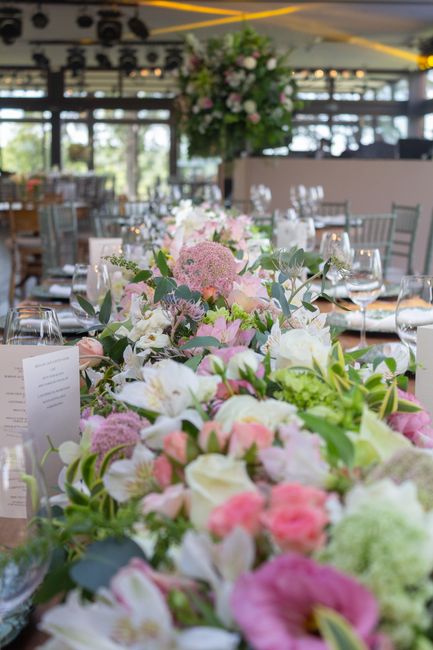
- Use texture as well as colour. Mixing large blooms with softer filler flowers creates a more natural finish.
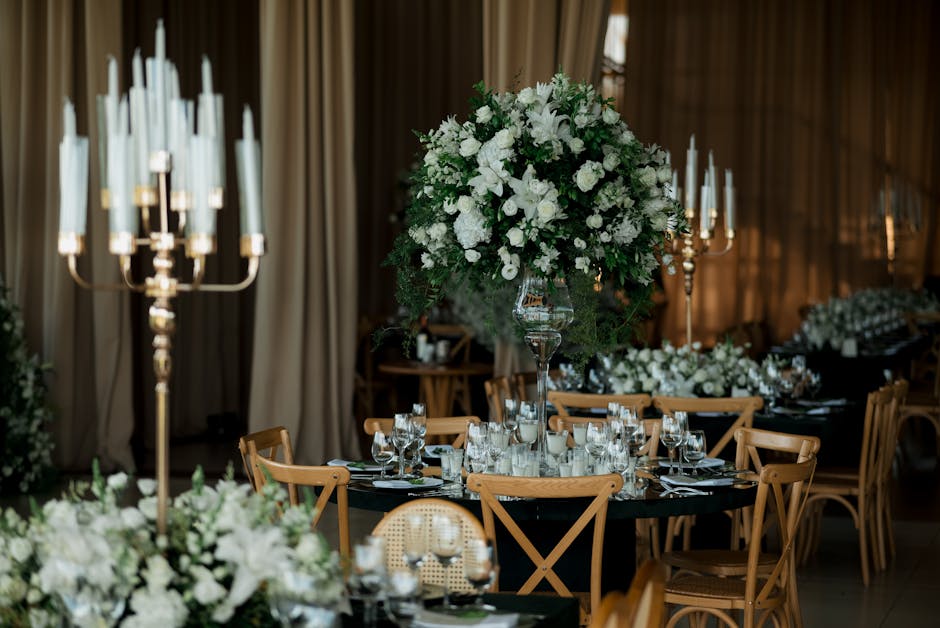
- Think about sightlines. Guests should be able to see each other across the table. Tall arrangements are beautiful, but they should not block conversation.
- Keep scent in mind. Strongly scented flowers can be lovely, but in a closed room they can become a bit much.
- Plan for movement. Bouquets and hand-tied flowers should feel comfortable to hold for photos and the ceremony.
- Stay season-aware. Seasonal flowers usually look more natural and are often easier to source in good condition.
In our experience, couples often overestimate how many flower types they need. You usually do not need a huge list. You need a clear palette and the right scale. That is the trick. Keep it simple, then let the details do the talking.
Another practical tip: ask to see whether the florist can repurpose ceremony flowers later in the day. Some arrangements can move from aisle to reception or from the ceremony entrance to the top table. Not every piece will work that way, but where it does, it can stretch the budget without feeling cheap.
If you want the floral scheme to feel polished, it can help to choose from the same family of styles across bouquets, tables, and buttonholes. That does not mean everything should match exactly. It just means the pieces should feel like they belong to the same wedding. Small difference, big effect.
Common Mistakes to Avoid
Most flower problems are not dramatic. They are the sort of thing that makes the day feel slightly less smooth than it should. Here are the main traps to avoid.
- Choosing flowers before choosing the venue style: The venue should guide the scale and shape of the arrangements.
- Ignoring delivery timing: Fresh flowers need sensible transport and setup windows.
- Trying to include every favourite flower: Too many ideas can make the final design feel muddled.
- Overlooking buttonholes and small pieces: These little details help the whole look feel finished.
- Not checking table dimensions: Centrepieces that look lovely on a screen can be awkward in reality.
- Leaving colour decisions too late: Colours should work with outfits, tableware, and venue tones.
One of the big ones? Underestimating scale. A few tiny arrangements can disappear in a large room, while oversized pieces can swamp a more intimate space. Forty Hall deserves designs that are proportionate. Not loud, not timid. Just right.
It is also easy to forget that fresh flowers are living materials. They change through the day. What looks tightly closed in the morning may open by late afternoon. A good florist thinks ahead to that movement. That is part of the craft, and it makes a real difference.
Another mistake is assuming that "wedding flowers" automatically means the same style for everything. It does not. The bridal bouquet, ceremony flowers, and table arrangements should work together, yes, but they do not need to be identical twins. Thank goodness for that.
Tools, Resources and Recommendations
You do not need fancy software to plan wedding flowers well, but a few simple tools and reference points help a lot.
- Venue photos: Use pictures of Forty Hall spaces to see where flowers will sit in relation to windows, walls, and furniture.
- Colour swatches: Hold actual fabric or printed swatches next to flower ideas if possible.
- Guest table plan: This helps you work out how many centrepieces and focal arrangements you really need.
- Seasonal flower guidance: Ask what is available around your date rather than locking in a design that may not suit the season.
- Budget notes: Keep a simple list of must-have pieces and nice-to-have extras.
Looking through product collections can also make decisions easier. If you are still shaping the overall style, browse all flowers for broader inspiration, best-selling arrangements for tried-and-tested ideas, and florist choice options if you want a designer-led direction with less guesswork.
For couples who like a softer, more romantic palette, the pink and white families are often a good starting point. If you prefer something more classic, white-based designs tend to suit a historic venue very well. If you want stronger seasonal warmth, richer tones can work beautifully, especially as the evening light drops. At about 4 pm in winter, that softer low light really changes how flowers read in photos.
If you are planning the broader wedding experience, useful service pages such as delivery information, service guarantees, and about the florist can help build confidence before you place an order.
Law, Compliance, Standards, or Best Practice
Wedding flowers are not usually a highly regulated purchase in the way some other event services are, but there are still sensible standards and best practices worth following.
From a practical UK perspective, it is wise to make sure:
- delivery instructions are clear and agreed in advance
- any venue access rules are followed by the florist or delivery driver
- fresh flowers are handled and stored appropriately before installation
- any candle, glassware, or decorative extras used with flowers are placed safely
- substitution policies are understood if a stem becomes unavailable
If flowers are going into a historic venue, care and respect matter. You want arrangements secured safely without damaging surfaces, fittings, or furniture. That part is common sense, but it still needs saying. Old buildings are beautiful. Also slightly unforgiving if someone gets casual with tape or water.
Transparency is another best practice. Good florists are usually clear about what is included, what may vary by season, how substitutions are handled, and how the final arrangement will be delivered. If you need certainty on terms, a clear order summary and the florist's published conditions are worth reading before you commit.
It is also sensible to be honest about budget. A reputable florist can usually suggest where to spend for maximum impact and where to keep things simpler. That kind of advice is not "upselling"; it is just good planning.
Options, Methods, or Comparison Table
Different wedding flower approaches suit different couples. The best choice depends on your budget, the venue layout, and how much of the styling you want flowers to carry.
| Approach | Best for | Strengths | Things to watch |
|---|---|---|---|
| Minimal floral styling | Small ceremonies or tighter budgets | Simple, elegant, easier to manage | May feel too sparse in larger rooms |
| Classic wedding package | Most traditional wedding setups | Balanced, cohesive, reliable | Needs clear decisions to avoid looking generic |
| Venue-wide floral design | Couples wanting strong visual impact | Creates a polished, immersive look | Higher cost and more coordination |
| Seasonal florist-led design | Couples open to creative guidance | Often fresh-looking and practical | Requires trust and flexibility |
For Forty Hall, the middle ground often works best. Enough flowers to feel intentional, not so many that they start competing with the venue itself. A well-balanced setup can look richer than a very large one that is not thought through. Strange but true.
If you want a more tailored romantic style, curated collections such as pure romance wedding collection, royal essence wedding collection, and the perfect match wedding collection can help frame the conversation around tone and finish.
Case Study or Real-World Example
Here is a realistic example, without pretending it is some huge dramatic story. A couple planning a ceremony at a historic North London venue wanted a soft white and blush floral look, but they were worried it would feel too pale in photos. They also wanted the day to feel elegant without the setup becoming complicated.
The solution was straightforward. The florist anchored the scheme with a structured bridal bouquet, smaller bridesmaid bouquets, simple buttonholes, and table arrangements that used a mix of white flowers with gentle pink accents. The ceremony flowers were designed to work again at the reception, so they earned their keep rather than sitting in one spot for an hour and a half.
What made the biggest difference was not quantity. It was balance. The bouquet had enough shape to show well in photographs. The table pieces were low enough for conversation. The overall palette tied into the room instead of shouting at it. Nothing especially flashy, but the final effect felt calm, intentional, and quietly beautiful.
The couple later mentioned that they were glad they had not tried to include every favourite flower they had seen online. That is very common. People start with ten ideas and end up happy with four well-chosen ones. It happens all the time, honestly.
The lesson is simple: for Forty Hall, floral success is usually about proportion, timing, and restraint. Those three things are not glamorous. They do, however, work.
Practical Checklist
Use this checklist before confirming your wedding flowers.
- Have you confirmed the ceremony and reception timings?
- Do you know which spaces at Forty Hall will need flowers?
- Have you chosen a colour palette that suits the venue and outfits?
- Do you know your must-have arrangements?
- Have you allowed for buttonholes, corsages, or small finishing pieces?
- Have you checked whether any flowers are seasonal or harder to source?
- Have you agreed delivery and setup times?
- Have you thought about reusing ceremony flowers later in the day?
- Do the table arrangements suit the room size and guest layout?
- Have you reviewed the florist's policies on substitutions, payment, and changes?
Quick takeaway: keep the plan simple enough to manage, but detailed enough to avoid guesswork. That balance usually gives the best results at a venue like Forty Hall.
When in doubt, choose a florist who listens carefully, explains things clearly, and makes the process feel calm. That alone is worth a lot. Weddings are busy enough without having to decode floral chaos on top of everything else.
Get a free quote today and see how much you can save.
Conclusion
The best Wedding flowers for Forty Hall events Enfield are the ones that fit the venue, support the day, and feel true to the couple. That is really the heart of it. Not overdone, not underthought. Just carefully chosen, beautifully placed, and practical enough to actually work.
If you focus on the room, the season, the timing, and the pieces that matter most, you will usually end up with flowers that look better and feel easier to manage. And that calm feeling on the day? Worth every bit of planning.
Forty Hall already brings a lot of character to the occasion. The right flowers do the rest, quietly and beautifully. And once everything is in place, you will notice it in the room straight away.
Frequently Asked Questions
What flowers work best for a wedding at Forty Hall?
Classic roses, lisianthus, hydrangeas, lilies, orchids, and seasonal mixed flowers often work well because they can be styled to suit both formal and romantic settings. The best choice depends on the season, your colour palette, and how much visual impact you want in the room.
How far in advance should I book wedding flowers for Forty Hall?
It is sensible to book as early as possible, especially if your date is during a busy wedding season. Early booking gives you more choice of flowers, more time to plan the style, and less pressure when the date gets closer.
Can wedding flowers be reused from the ceremony to the reception?
Often, yes. Many ceremony arrangements can be repurposed for the reception, depending on their size and design. A good florist can suggest which pieces will move easily and still look balanced after the change.
What is the best bouquet style for a historic venue like Forty Hall?
Structured but soft bouquets usually work well. Think elegant shapes, good texture, and colours that complement the venue rather than compete with it. A bouquet that feels refined and comfortable to hold is often the best fit.
Do I need buttonholes and corsages as well as bouquets?
Not always, but they often help the overall look feel coordinated. Buttonholes are especially useful for the groom and key family members, while corsages can be a nice detail for close relatives or important guests.
How do I choose flowers that suit the season?
Ask your florist what is naturally available around your wedding date and then build the design around that. Seasonal flowers often look fresher and feel more natural, and they can make the whole arrangement easier to manage.
What if my favourite flower is out of season?
A skilled florist can usually suggest a similar bloom or a design alternative that keeps the same mood and colour feel. You may not get the exact stem you first imagined, but the final result can still be beautiful.
How many table arrangements do I need?
That depends on the number of tables, the size of the room, and how much floral presence you want. Some couples prefer one strong arrangement per table, while others use a smaller number of more prominent focal pieces.
Are large floral arrangements always better for Forty Hall?
No. Bigger is not automatically better. The right scale depends on the room, the table layout, and the style of the wedding. In some spaces, smaller but well-placed arrangements create a more elegant effect.
How can I keep wedding flowers within budget?
Focus on the most visible pieces first, choose seasonal flowers where possible, and think about reusing arrangements across the day. Being clear about your budget from the start helps the florist suggest the smartest options without wasting time.
Can I order wedding flowers online if I am planning from a distance?
Yes, many couples do. If you are planning remotely, look for clear product descriptions, helpful delivery information, and straightforward communication so you can feel confident about what will arrive and when.
What should I ask a florist before booking wedding flowers?
Ask about seasonal availability, delivery times, setup support, substitution policy, and how the arrangements can be tailored to your venue. Those questions will tell you a lot about how smoothly the process is likely to go.


